
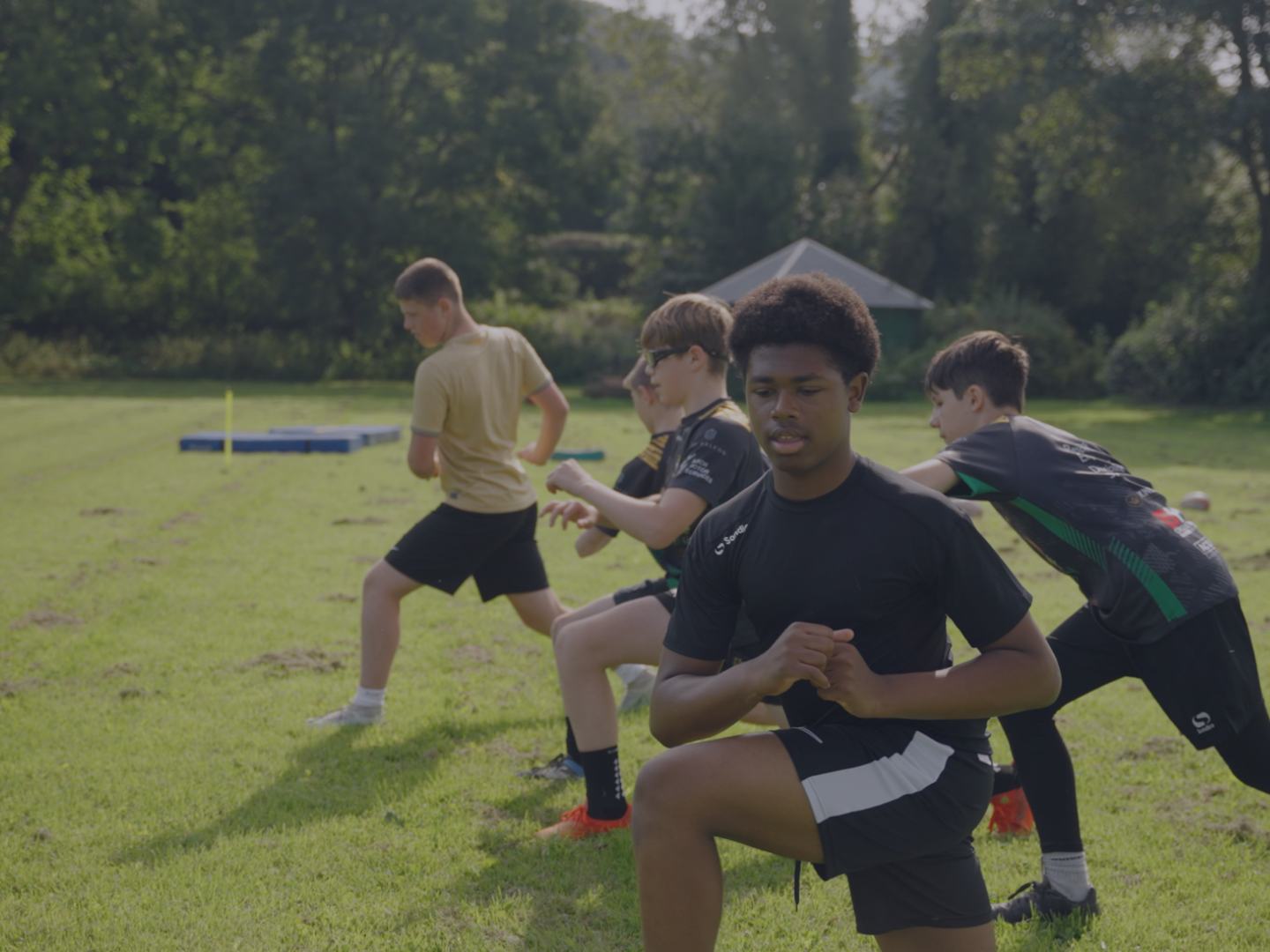
For over ten years, primary schools across England have had one guarantee when it came to physical education: the PE and Sport Premium, a ring-fenced £320 million-a-year grant that schools had to spend on PE, school sport and physical activity, and nothing else. It’s rarely made headlines. But from 2027, it’s gone — and what replaces it will leave schools with less money, less certainty, and no guaranteed pot of their own to spend on PE at all.
This matters well beyond school budgets. It matters because of what good PE actually does for children — and because the organisations stepping in to support schools through this change, including us, are about to become more important, not less.
What’s changing
In May 2026, the Department for Education confirmed it would scrap the Primary PE and Sport Premium, replacing it with a new national “PE and School Sport Partnerships Network” from 2027 (Schools Week; Tes). Overall annual funding for the new model will be around 22% lower than what schools currently receive.
The critical detail is what’s lost in the transition, not just the headline figure. PE Premium was ring-fenced: a defined sum that arrived in every eligible school’s budget and had to be spent on PE. Under the new model, schools won’t hold that pot themselves – they’ll access support and resourcing through a regional partnership network instead. There is a one-off transition payment for the 2026/27 academic year (recently increased to £150 million nationally, roughly £8,000 per primary school), but after that, PE loses its dedicated, protected line in the school budget for good.
Sector leaders have been candid about the risk. The NAHT school leaders’ union has warned that schools need firm assurances the new funding will reach the frontline rather than be absorbed by additional layers of administration (Schools Week). It’s worth being clear about scope, too: this change applies to England specifically. Wales, Scotland and Northern Ireland run their own, separate funding for school sport and physical activity, and aren’t affected.
Why this matters so much
It’s easy to treat PE as the subject that gets timetabled around everything else. The evidence says that’s a mistake.
Youth Sport Trust’s 2024 annual report on PE and school sport found that participation improves children’s self-belief, mental toughness and wellbeing – and that these benefits are greatest for children from lower-income families, the pupils who often have the least access to sport outside school. Academic research goes further: a long-standing review of the evidence for PE and school sport found genuine support for its role in developing cooperation, teamwork, empathy and personal responsibility in children, alongside improvements in school attendance and behaviour (Bailey, 2005). More recent work on physical education and social cohesion argues that, done well, PE is one of the few spaces in a child’s week where pupils from different backgrounds are placed on genuinely equal footing, working toward a shared goal together — a condition researchers consistently link to stronger social cohesion, both inside the school gates and beyond them.
In other words: PE taught well isn’t a break from learning. It’s where children build the social skills, teamwork and sense of belonging that carry into the classroom, the community, and adult life.
The pressure teachers are already under
None of this lands on a system with capacity to spare. Ofsted’s PE subject report found that only 56% of primary teachers feel confident teaching PE, with 15% saying they’re not confident at all. That isn’t a reflection on teachers — most primary teachers are generalists, expected to deliver a specialist subject well without specialist training, on top of an already full curriculum and a stretched school day.
That gap in confidence and capacity was exactly what the PE Premium was designed to help close, by funding CPD, specialist coaching and equipment. Removing its guaranteed funding line, at the same time schools are being asked to do more with less across the board, widens a gap that was already there.
Why this is bigger than any one organisation
This isn’t a problem any single charity or coaching provider can solve, and it shouldn’t be framed as one. Across England, a network of community sport organisations, PE specialists, coaching providers and charities already works alongside schools to deliver the kind of high-quality, well-resourced PE that stretched school budgets and generalist teachers can’t always provide alone. As direct government funding for PE becomes less certain, the role that this wider network plays — in schools, after school, and in the transition into community clubs — becomes more critical, not less.
We’re one part of that picture. TackleLondon, delivered by the Matt Ratana Rugby Foundation and The Atlas Foundation, works in schools across under-resourced London boroughs, running a structured pathway from weekly in-school sessions through tournaments, after-school provision and junior coaching, into community rugby clubs and the MRRF Academy. In the 2025/26 academic year alone, that pathway supported 4,528 young people across 18 schools and 7 pathway clubs — coached by people drawn from the communities they work in, trained in safeguarding, youth mental health first aid and life skills, not just sport.
This funding change doesn’t affect what we deliver in schools day to day. But it’s a reminder of why programmes like ours, and the wider network we’re part of, need sustained support — because the case for well-resourced, well-taught PE has never been stronger, and the funding schools could once rely on is exactly what’s disappearing.
If you want to find out more about our schools programme, or support the work, get in touch — [link to Partner With Us / Donate page].
Sources
- Schools Week — “DfE scraps PE and sport premium in favour of partnerships network” (22 May 2026)
- Tes — “PE and sport premium for primary schools scrapped” (May 2026)
- Youth Sport Trust — Primary PE & Sport Premium guidance and 2026/27 transition funding (youthsporttrust.org)
- Youth Sport Trust — PE and School Sport: The Annual Report 2024
- GOV.UK / Ofsted — PE subject report, teacher confidence data
- Bailey, R. (2005) — ‘Evaluating the relationship between physical education, sport and social inclusion’, Educational Review
- Various academic literature on PE, school sport and social cohesion (British Educational Research Journal; Sport, Education and Society)