
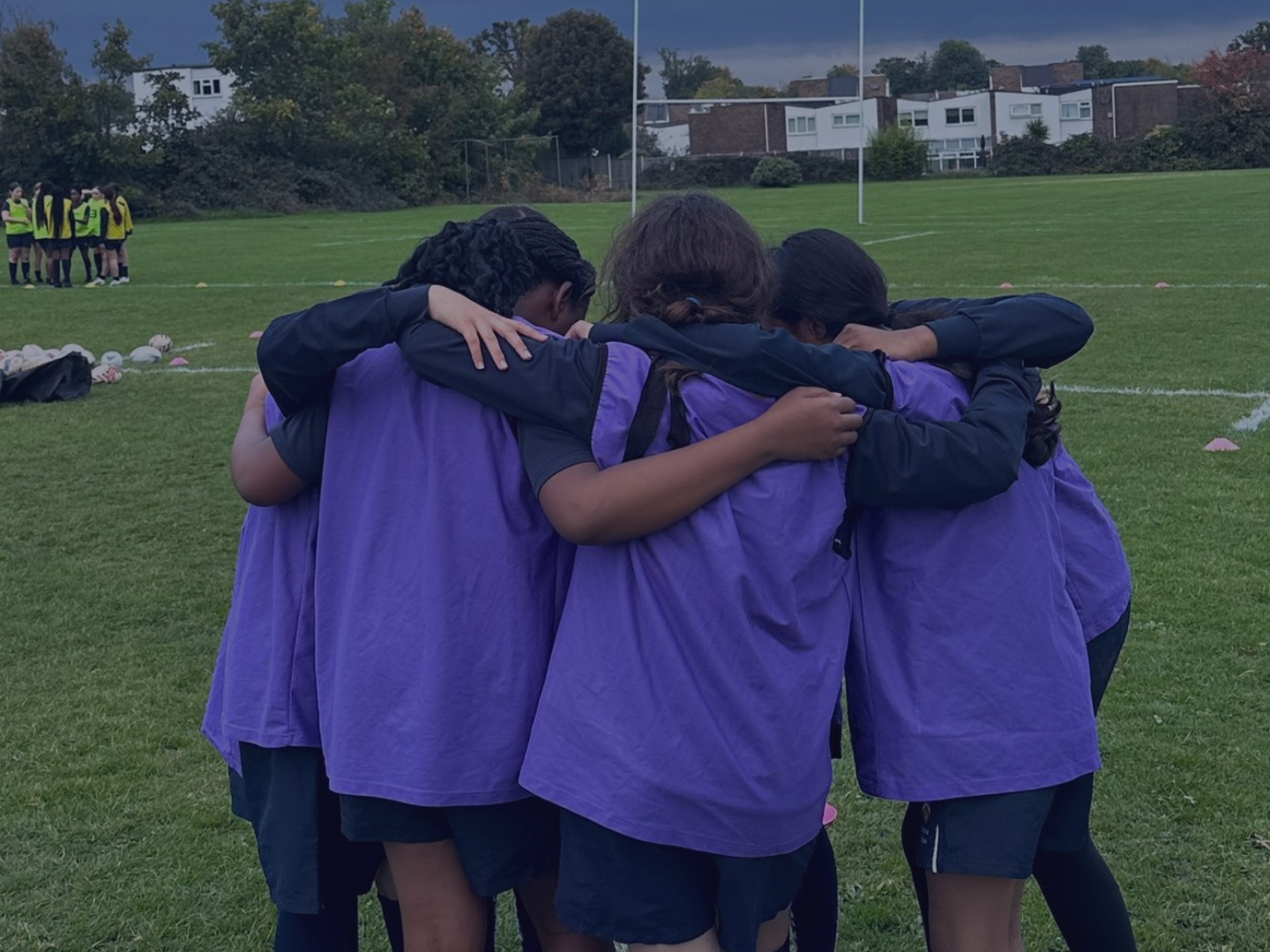
Three schools, one pitch, and a heatwave that nobody was going to let win.
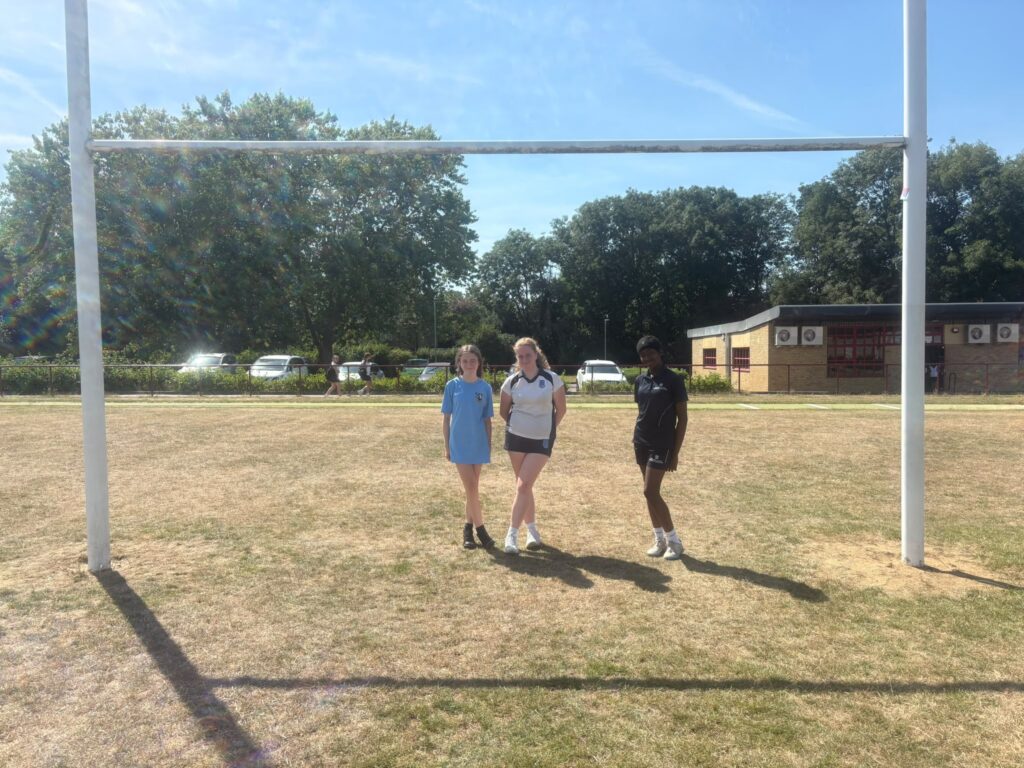
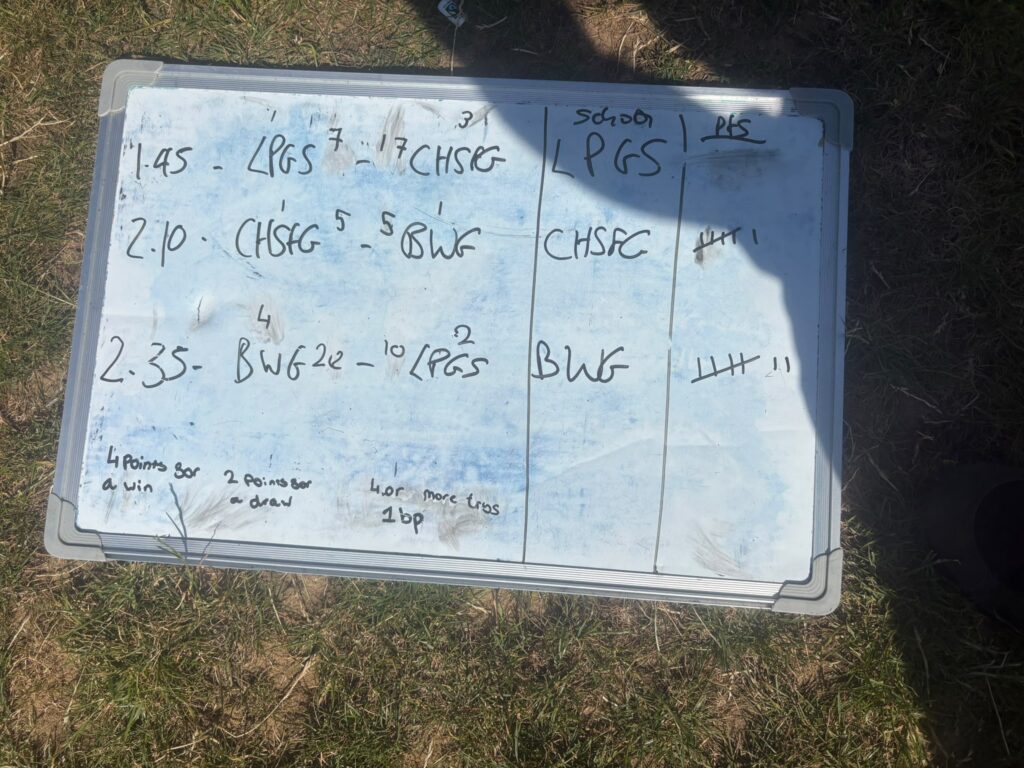
This July, girls from Langley Girls, Chislehurst, and Bullers Wood spent an afternoon on Langley’s pitch for a touch triangular: Years 7, 8 and 9, round robin, played in the kind of heat that usually empties a playground rather than fills one. For Bullers Wood, it was their first ever fixture with TackleLondon. Three schools’ worth of girls who, on paper, had no reason to have met, brought together for an afternoon because they all play through the same programme.
And the finish did the day justice. Bullers Wood needed 7 points off their own kickoff to win the game. The ball found Sonya on the wing, she beat two defenders and sprinted in under the posts, and Evie stepped up to slot the conversion. Game won. Forty-six girls, three schools, one afternoon — and for at least one of them, a first taste of what a season with us might look like.
It’s worth saying why afternoons like this matter beyond the scoreline.
Girls fall out of love with sport at a rate that should worry all of us. Research from Women in Sport has found that more than a million teenage girls who once considered themselves “sporty” disengage from sport after primary school: 43% of them, by the time they hit secondary age. The Youth Sport Trust has tracked enjoyment of PE dropping from 86% among girls aged 7–8 to just 56% by ages 14–15. Nationally, girls aged 11–18 are playing around 84 minutes less sport a week than boys, according to 2025 research commissioned by Sky and Public First; a gap that’s even wider in some parts of the country.
The reasons behind that drop-off are well documented: feeling judged, worrying about kit, not having visible role models, sport feeling like something built for boys rather than girls. None of that is solved by one triangular tournament. But a first fixture, a first try, a first afternoon spent belonging to a team – that’s exactly the kind of moment research points to as protective. It’s how girls stay in the game long enough to find out they’re good at it.
Thank you to Langley School for hosting, and to Chislehurst and Bullers Wood for turning up and making it a proper contest.
Sources: Women in Sport, ‘More than 1 million teenage girls fall out of love with sport’; Youth Sport Trust, PE and School Sport Annual Report; Sky/Public First, ‘Game changing: How sport gives every girl a better chance’ (2025).