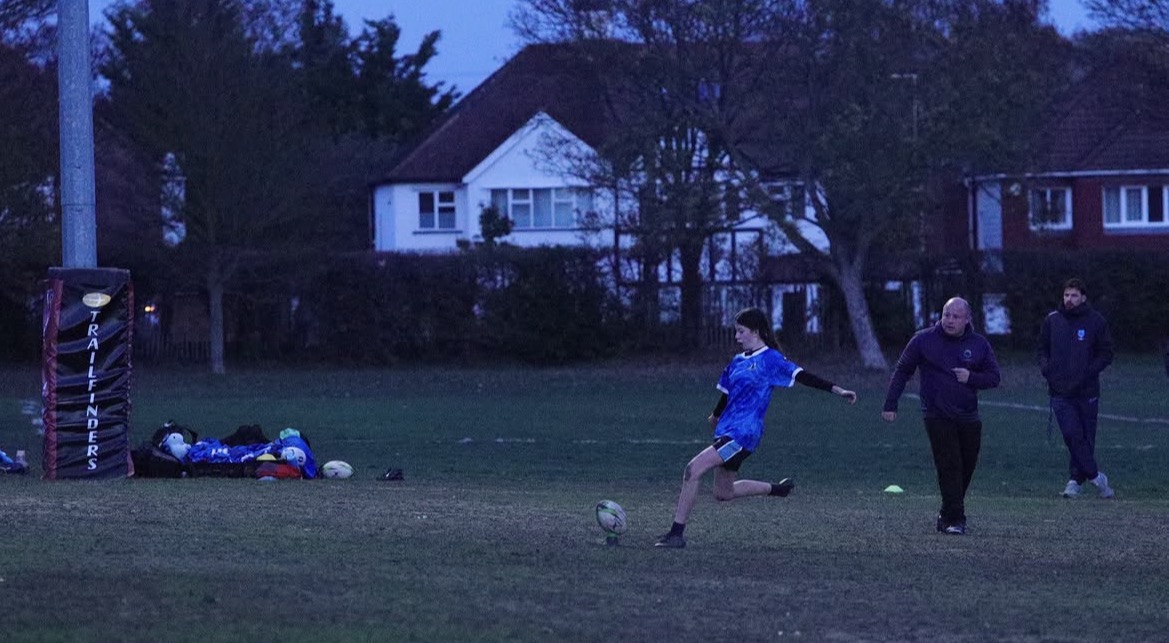
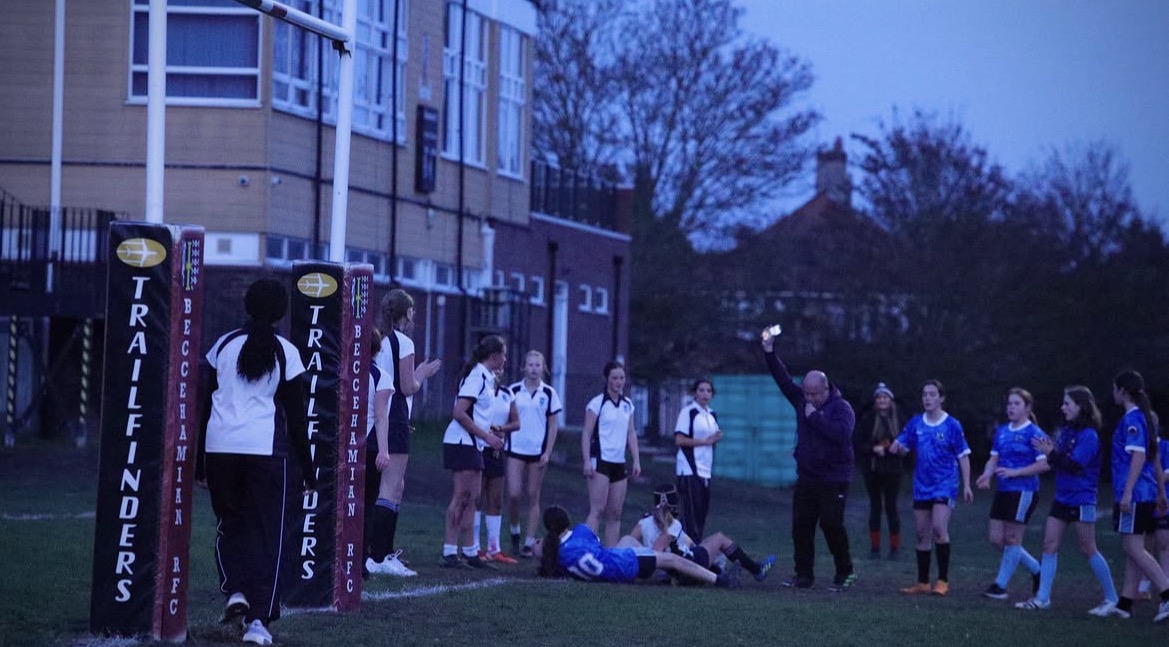
Last week, the after-school rugby clubs at Langley and Chislehurst were busier than usual. Numbers were big at both, and the reason was on the calendar: a fixture, Chislehurst against Langley School for Girls, at Beccahamian Rugby Club.
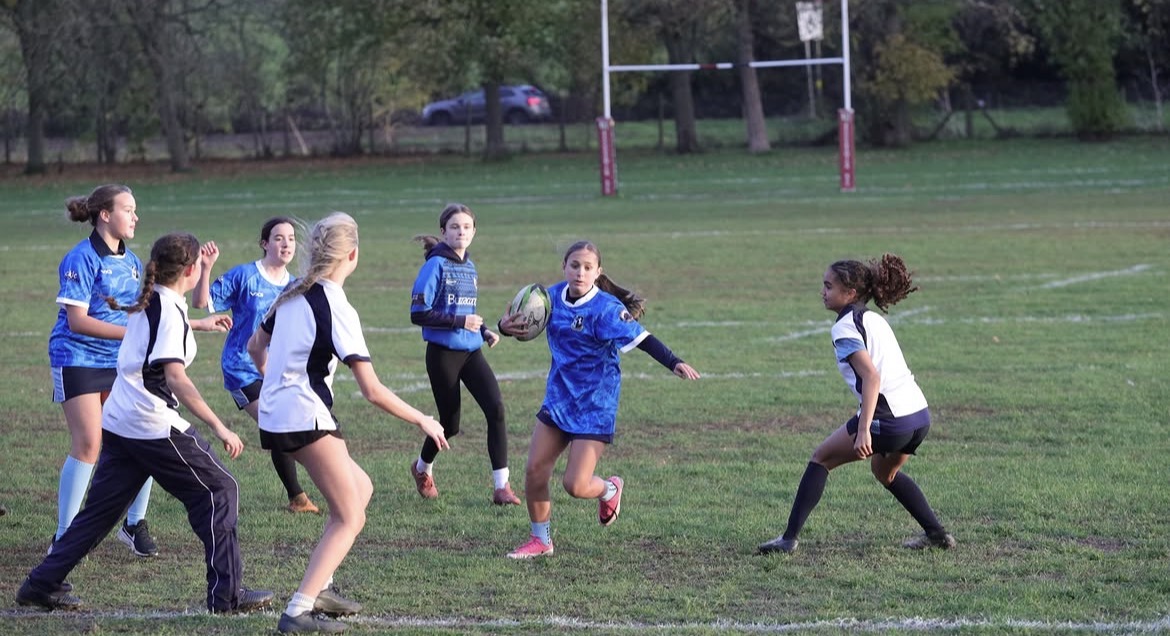
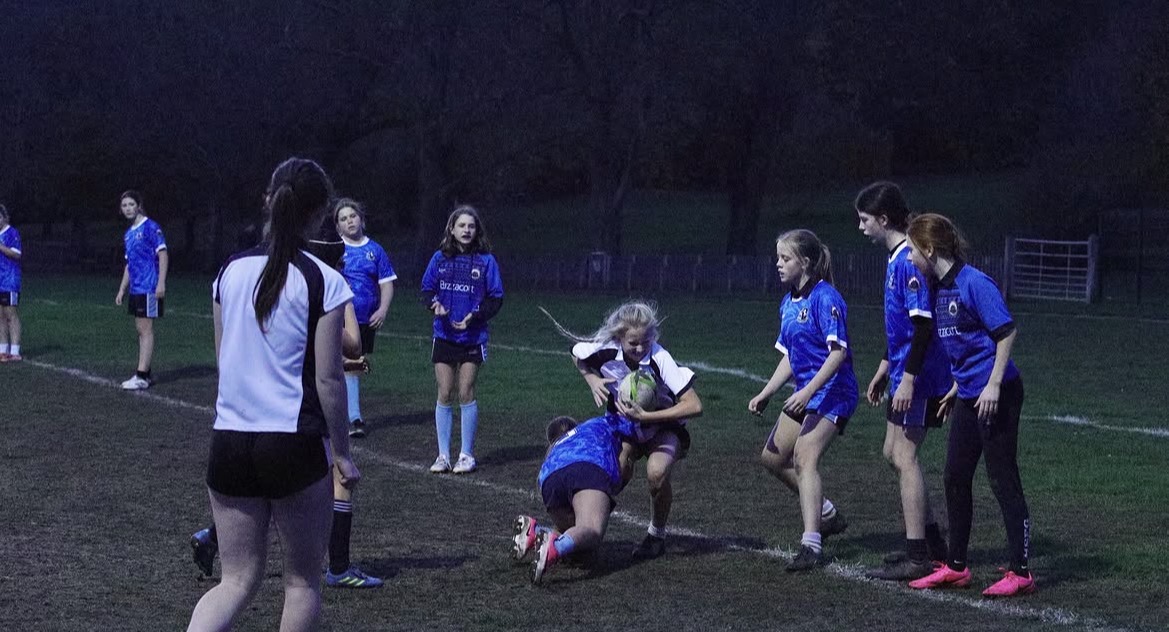
It was the opening game of Bromley’s new girls’ rugby league, and the first game of the school year. Chislehurst, Langley and Bullers Wood are the three schools taking part. Beckenham Rugby Club hosted the first fixture, and we are grateful to them for giving the league its first pitch.
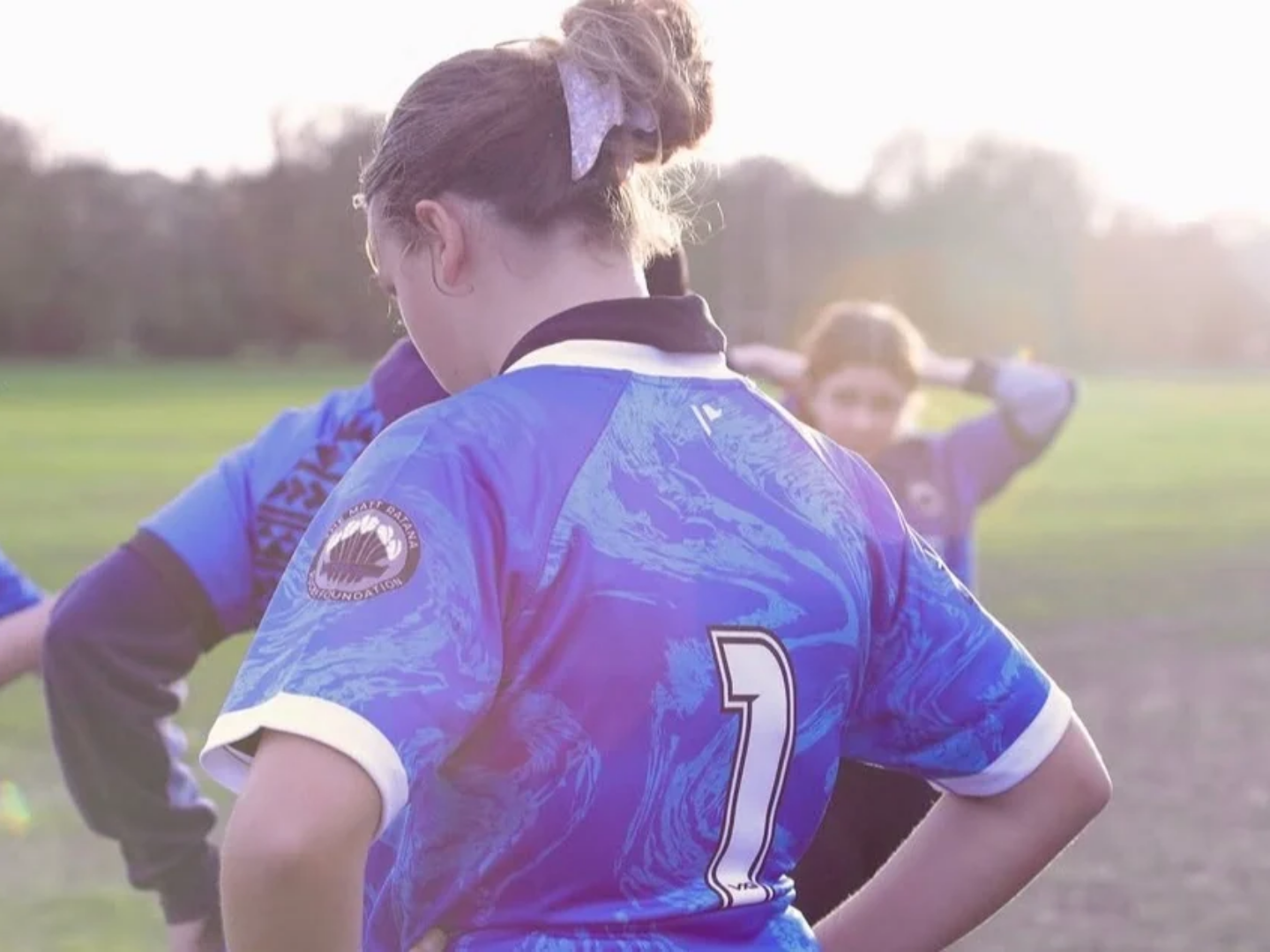
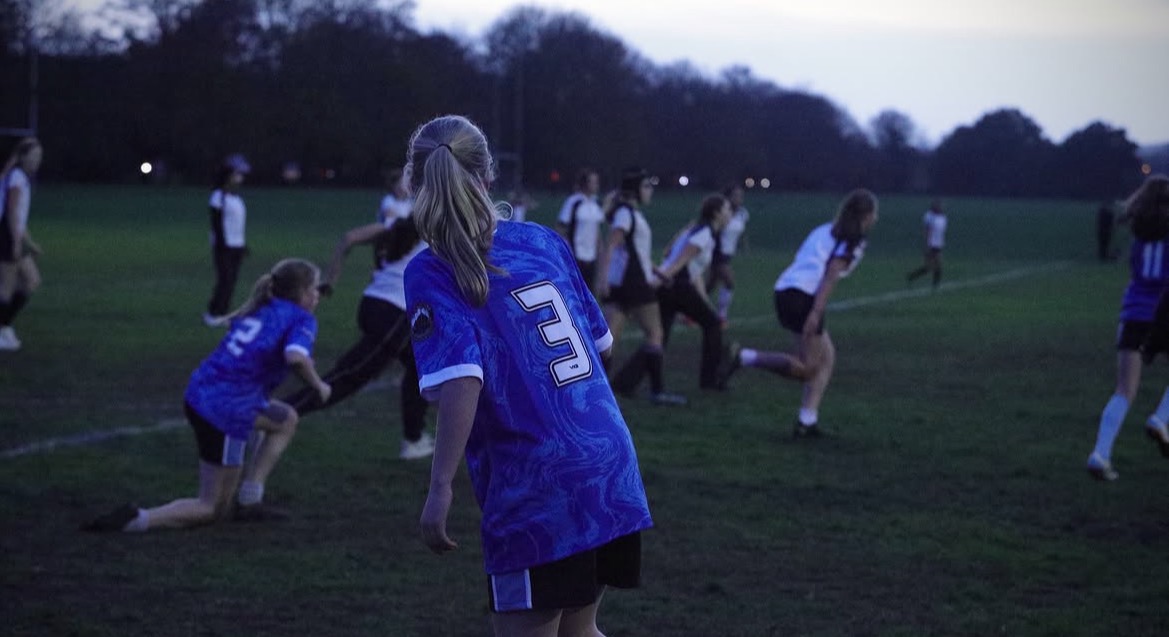
On the day, five players made their full-contact debuts, and Mya was named Player of the Match. This debuted Chislehurst’s brand-new TackleLondon shirts, bought with a Jack Petchey Award grant Freya won, having been nominated for going the above and beyond by her classmates.
Why a league matters
TackleLondon brings free rugby and mentoring into schools across London, with the same coaches in the same space each week. In 2025/26 that reached 4,528 young people across 18 schools and 7 pathway clubs. From weekly school sessions, young people can move into an after-school club, and from there into the MRRF Academy or a local community club.
The girls’ numbers show where a league helps. Girls make up half of after-school club places, 85 of 170. Further along the pathway, the Academy has 21 girls out of 65 places, and the community club pathway has 21 out of 76 (TackleLondon impact data, Dr Amy Atkinson, 2026). Getting girls into rugby is happening. Keeping them playing as they get older is the harder step, and it depends on there being somewhere to play and someone to play against.
A league provides both. It gives a team a reason to train every week and an opponent who is also trying to build something. It also brings girls from different schools together: Chislehurst, Langley and Bullers Wood now have a reason to meet, compete and get to know each other across school boundaries.
What regular rugby does
Across the programme, 1,378 young people showed tangible improvements in mental health and wellbeing, and 1,290 improved their engagement in school. Every school involved reported a clear impact on student wellbeing (Dr Amy Atkinson, 2026). These figures cover all participants, not just girls, but they point to what consistency does. When young people see the same coaches every week and have a team that expects them, they feel they belong somewhere, and that is what brings them back.
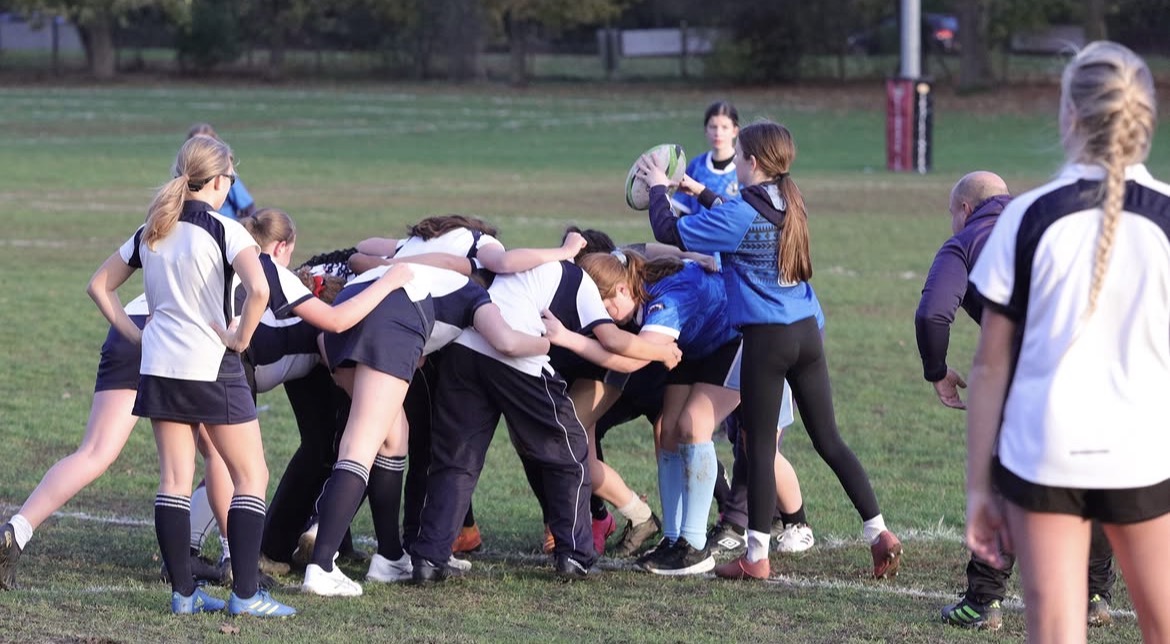
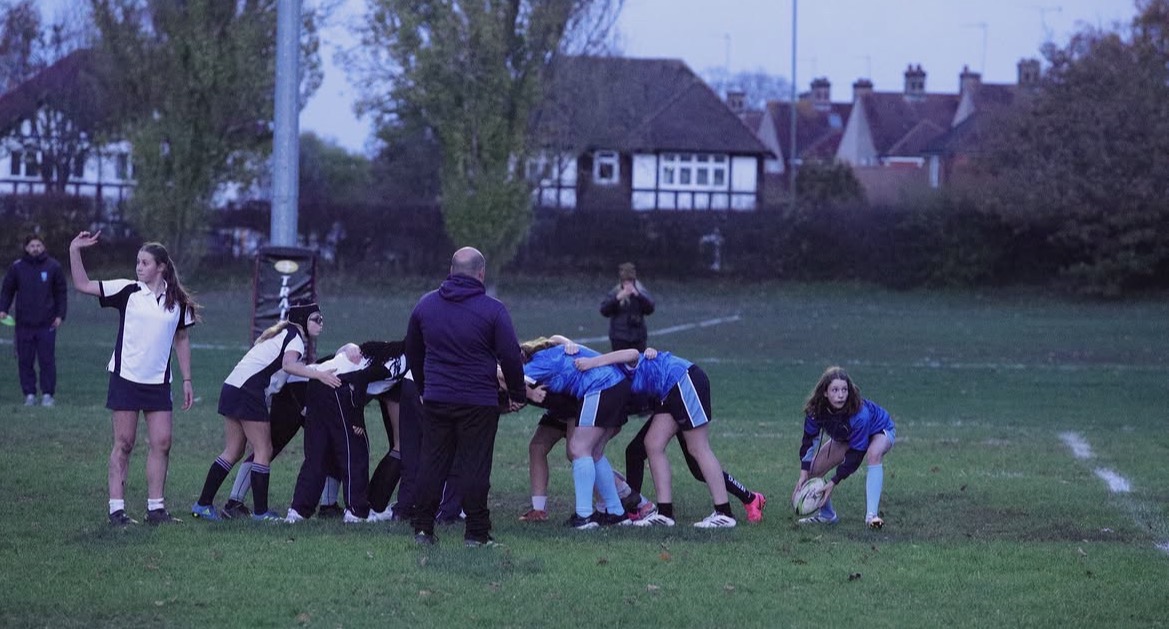
A game adds something training cannot. Rugby asks you to turn up, listen, trust a teammate with the ball and get back up after a tackle. A fixture is where those things get tested, and a league means they get tested again the following week.
Next up
Bullers Wood are the next opponents, and the league’s other two schools will be watching.